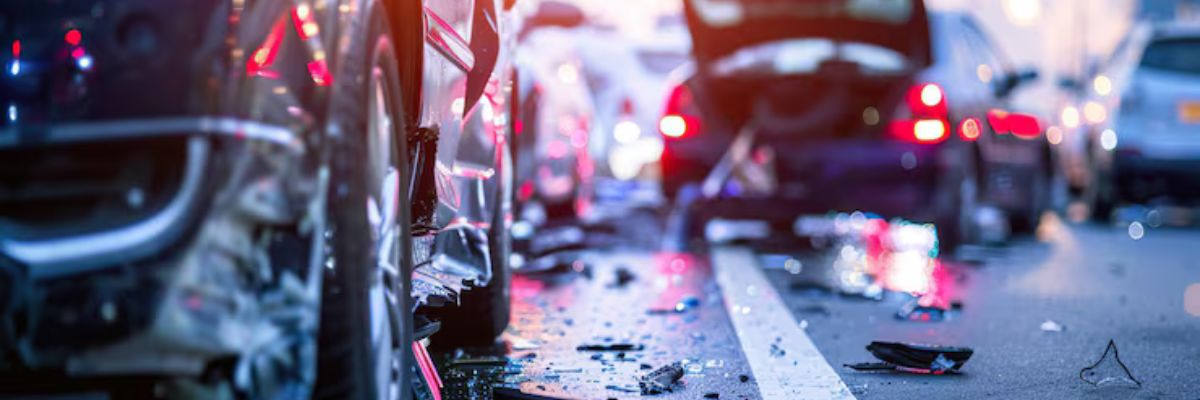
Getting an accurate Najm accident report at the scene is the single most important step, since it becomes the central piece of evidence for determining fault and pursuing a claim. Photos of the vehicles, the road, and any visible injuries, along with contact details for any witnesses, all add useful supporting evidence.
Getting medical attention promptly matters both for your health and for the claim — an injury documented immediately is harder to dispute later than one raised weeks afterward. Where the vehicle can't be driven, arranging proper towing to an approved damage assessment center preserves the vehicle's condition for accurate evaluation.
Once the Najm report is filed, the vehicle typically goes through a damage assessment center that determines repair cost and whether the vehicle counts as a partial or total loss — a distinction that materially changes what compensation actually looks like. A partial loss generally means repair through an approved workshop or a cash settlement under some policy types, while a total loss means the insurer pays the vehicle's assessed value directly.
You have the right to formally object to a damage assessment report if you have reasonable grounds — evidence of an error in fault determination or in how the damage itself was valued. This objection goes to the relevant body based on which entity issued the original report.
Most compensation for vehicle damage and injury runs through the at-fault driver's insurance, and the claim process generally requires the Najm report, the damage assessment report, medical documentation of any injury, and your driving license and vehicle registration.
Insurers don't always offer what a claim is genuinely worth on the first pass, and it's reasonable to have an initial offer reviewed before accepting it, particularly where the injury is significant or ongoing, or where the vehicle damage assessment seems to undervalue the actual repair cost.
Where the parties disagree about who caused the accident, or one driver leaves the scene, establishing fault becomes the central legal question, and this typically requires filing through the Najiz platform to have a court determine liability before compensation can properly proceed.
These disputed-fault cases benefit considerably from legal representation early, since the evidence gathered in the first days after an accident — witness statements, camera footage, the original Najm report — tends to matter more than anything gathered later.
Straightforward, low-value claims with clear fault often resolve without much friction. Legal help becomes more valuable where fault is disputed, the insurer's offer seems significantly below what the injury or damage actually warrants, the other party doesn't have adequate insurance, or the damage assessment itself needs to be formally challenged.
A lawyer can also handle the calculation of both material damages (medical costs, lost income, repairs) and moral damages (pain and suffering), which many people underestimate or don't think to include, particularly in injury cases where recovery takes months rather than days.
This depends on the specific circumstances of your case, and it's best not to delay — evidence is easier to gather and preserve close to the incident. Contact the firm as soon as possible after an accident.
This affects the practical path to recovery, and we can advise on the options available depending on the specific circumstances.
Yes — you have the right to formally object if you have reasonable grounds, such as an error in fault determination or damage valuation. We can help prepare and file this objection.
A partial loss generally means the vehicle is repaired through an approved workshop or settled in cash depending on your policy type, while a total loss means the insurer pays out the vehicle's assessed value directly — this distinction significantly affects what compensation looks like.
Yes, though it typically requires filing through the Najiz platform to establish fault first, since there's no cooperating second party to confirm what happened. Acting quickly to preserve any camera footage or witness information matters considerably here.
 Expert Riyadh