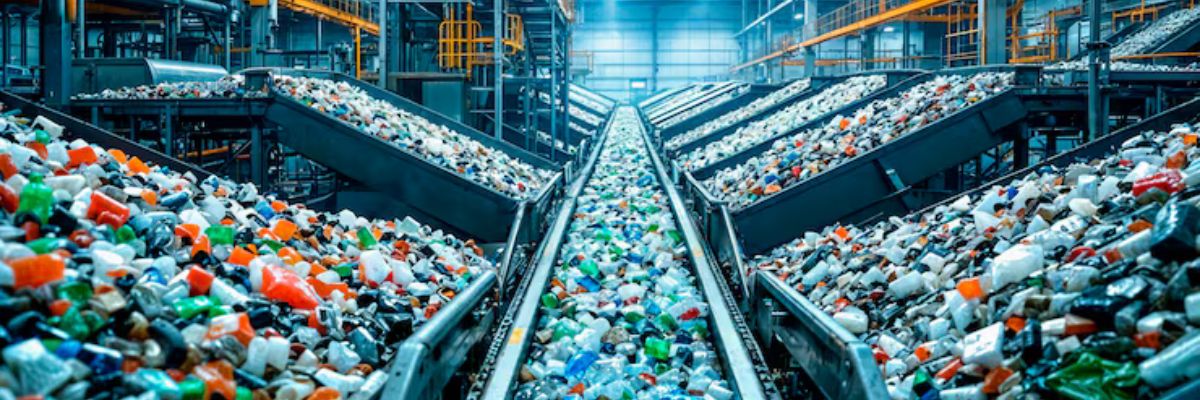
This sector operates under environmental regulatory oversight given its direct connection to environmental compliance and public health considerations, meaning waste management businesses face genuinely more regulatory scrutiny than many other commercial operations.
This oversight has intensified as Saudi Arabia has strengthened its broader environmental regulatory framework, and businesses in this sector benefit from attorneys who track these developments closely.
This falls under our Environmental & Water Law service within Sector-Specific Law, covering permitting for waste handling, treatment, and disposal that varies considerably depending on waste type — general commercial waste faces different requirements than hazardous or medical waste, for instance.
We help businesses understand exactly which requirements apply to their specific waste stream, since misclassification can create genuine regulatory exposure.
This connects to our Public & Regulatory practice, and recycling facilities need municipal licensing alongside environmental permitting, with requirements that can vary between different municipal jurisdictions depending on where a facility is located.
We help facility operators navigate this dual licensing requirement, ensuring both municipal and environmental compliance are addressed as one coordinated process.
Waste management businesses rely on service contracts with commercial and municipal clients, and these agreements need clear terms around collection schedules, liability for waste handling incidents, and pricing structures that account for waste volume and type variability.
We draft these contracts with genuine understanding of how waste management operations actually function, not generic service agreement templates.
As Saudi Arabia pushes toward greater recycling and circular economy participation as part of its broader sustainability agenda, this creates both new regulatory expectations and potentially new business opportunities for recycling-focused operators.
We help businesses understand how this evolving national priority affects their specific licensing and compliance obligations, positioning them to benefit from this shift rather than simply comply with it reactively.
Businesses handling hazardous waste specifically face considerably more rigorous compliance requirements given the genuine public health and environmental risk involved, and we help these operators understand and build compliance systems that meet this heightened scrutiny.
This heightened compliance burden reflects the genuine seriousness of hazardous waste risk, not excessive regulatory caution.
Where an enforcement inquiry or dispute arises — a compliance violation notice, a service contract disagreement — we help clients respond effectively, addressing genuine compliance gaps where they exist while defending against inquiries that don't reflect actual violations.
We coordinate with our Disputes & Litigation practice where formal proceedings become necessary.
Contact the firm on WhatsApp to walk through your specific situation, whether that's environmental permitting, municipal licensing, or a service contract question.
We can typically clarify your specific compliance obligations within the same conversation.
Yes — this falls under our Environmental & Water Law service within Sector-Specific Law.
Yes — this connects to our Public & Regulatory practice.
Yes, significantly — hazardous waste faces considerably more rigorous compliance requirements given the genuine public health and environmental risk involved.
It's creating both new regulatory expectations and business opportunities, and we help businesses understand how this evolving priority affects their specific obligations.
Collection schedules, liability for handling incidents, and pricing structures that account for volume and waste type variability.
 Expert Riyadh